

Sixty Seconds to Steady: Grounding for Busy Parents

Breathe easier, even between school drop-offs and grocery lines, with one-minute grounding exercises for parents on the go. In just sixty focused seconds, you can calm your nervous system, sharpen attention, and reconnect with what matters, without rearranging your day. Think stroller walks, carpool queues, playground pauses, or elevator rides transformed into tiny sanctuaries of steadiness, clarity, and kindness toward yourself and your child.

Science That Fits Between Diaper Changes

When life moves fast, your body can still downshift quickly. Brief grounding practices reduce sympathetic overdrive, invite the parasympathetic system online, and shrink worry’s volume. Short, intentional breaths, sensory anchoring, and gentle posture shifts can steady heart rate, soothe the amygdala, and restore perspective within a single minute, making calm realistic for real parents with real schedules and real interruptions.

Five Senses You Can Reach Without Stopping

Your senses are portable anchors that travel wherever life takes you. Touch, sight, sound, scent, and taste can stabilize focus when time is scarce and hands are full. By intentionally engaging everyday textures, colors, rhythms, and subtle aromas, you create quick, embodied reminders that you’re here, now, capable, and caring. These micro-moments reliably soften overwhelm, reorient attention, and gently open space for kinder choices.

A Walking Count that Flows

Match a calm inhale to three steps, exhale to three steps, for about a minute. Adjust counts to comfort, then add a whispered word like “steady” on the exhale. This moving rhythm blends breath, body, and environment without attracting attention. Perfect for hallway shuffles, playground loops, or parking lot strolls, it builds a reliable cadence that your nervous system recognizes and welcomes.

Shoulder Drop, Jaw Unclench, Soften Eyes

Exhale and let your shoulders fall as if warm water melts them. Unstick your tongue from the roof of your mouth, loosen the jaw, and soften your gaze toward the horizon. These micro-releases deactivate tension patterns that convince the brain danger is near. Practice while scanning pantry shelves or queuing at school pickup, and notice how less gripping creates more patience, presence, and choice.

Co-Regulation Moments With Your Child

Turn a grounding scan into a game: find three reds, two greens, and one tiny pattern. Match enthusiasm to your child’s age, let them lead choices, and cheer for discoveries. While attention widens, nervous systems settle. This playful ritual travels well—from the cereal aisle to playground corners—and teaches noticing without judgment, a foundational skill for emotional flexibility, problem solving, and gentler transitions between activities.
Invite one shared long exhale, like slowly fogging a window or gently blowing bubbles. Model a soft belly and relaxed shoulders. Children mirror tone as much as technique, so keep your pace kind and unhurried. One minute of synchronized breathing can deflate friction after spills, sibling bumps, or car-seat negotiations, turning power struggles into micro-moments of teamwork, humor, and steady, confident caregiving.
Place your hand on your heart and your child’s hand on your back, then switch. Feel warmth, weight, and rhythm, naming what you notice kindly: “I feel your brave breaths.” This simple exchange anchors safety through touch and attention. It works before bedtime, during doctor visits, or in noisy rooms, transforming a scattered minute into shared grounding, soft reassurance, and a memory that stress is not the boss.

Use Your Environment as Friendly Equipment

Everyday objects can become steadying tools when you meet them with intention. Car steering wheels, stroller handles, shopping carts, crosswalk countdowns, benches, and even refrigerator doors offer texture, rhythm, and pause. Pair a sixty-second reset with opening, buckling, waiting, or sitting. These tiny, repeatable pairings reduce friction, conserve energy, and gently shape days that feel more navigable, connected, and kind to everyone involved.

Steering Wheel Triangle

Before driving, press thumbs and index fingers to form a small triangle on the steering wheel. Trace its edges slowly with three calm breaths, softening your gaze toward the road ahead. This pre-ignition ritual invites steadiness and presence. It takes less than a minute, travels with you all week, and sets a tone that carries through traffic, pickups, and the unpredictable choreography of family logistics.

Stroller or Cart Rhythm

Let your steps match a gentle count—inhale two, exhale four—while noticing the handle’s texture and the ground’s pushback. Add a quiet phrase like “Here. Now. Okay.” The repeated pattern becomes a mobile refuge during errands or neighborhood loops. If kids are chatty, invite them to choose the count, turning motion into a family metronome that calms nerves and brightens ordinary minutes with cooperative focus.

Bench, Breath, Belonging

Sit for one minute, feel your sit bones anchor, and place both feet flat. Let the bench hold you while your breath lengthens naturally. Name three supportive things around you—shade, breeze, sturdy wood. This simple pause transforms a chaotic outing into a reset that restores patience, steadies decisions, and reminds you that rest can be brief, brave, and beautifully sufficient for the next small step.

Tiny Triggers That Nudge
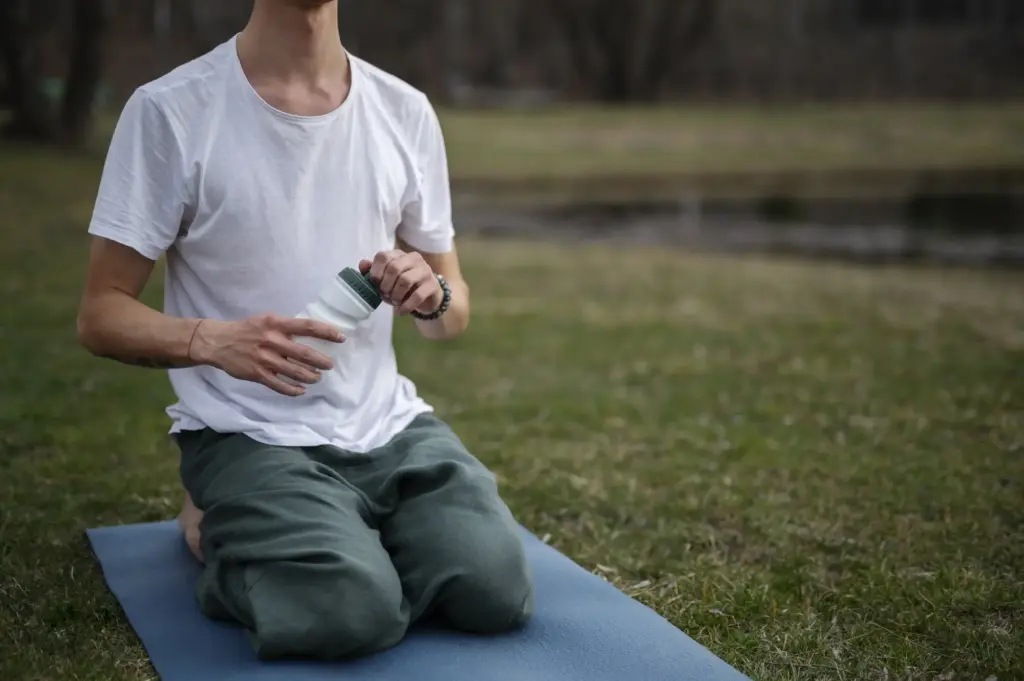
Choose anchor moments you never skip: keys in hand, stroller unfolded, car door closed, microwave humming. Each becomes a cue for one minute of breath, senses, or posture. Keep a mint near the keys, a soft sticker on the wheel, or a note on the fridge. Gentle prompts reduce decision fatigue, turning intention into action even when mornings tilt sideways or bedtime stretches longer than planned.

Track the Small Wins

Mark a simple tally in your notes app, draw a dot on a calendar, or drop a paper clip in a jar after each micro-practice. Visual proof fuels momentum and quiets the story that you’re not doing enough. Review weekly, notice which cues worked best, and adjust kindly. Progress measured in tiny steadies compounds into more patient commutes, smoother transitions, and kinder self-talk when plans wobble.

Invite Support and Share Stories

Text a friend your favorite one-minute reset and ask for theirs, trade ideas in a parent chat, or reply with a quick win that surprised you. Mutual encouragement makes consistency easier and more joyful. Subscribe for fresh, doable practices, then circle back and tell us what actually worked in your wild, wonderful reality. Your lived wisdom helps other caregivers breathe easier, too, right where they are.