Two Minutes to Reset: Calm You Can Actually Keep

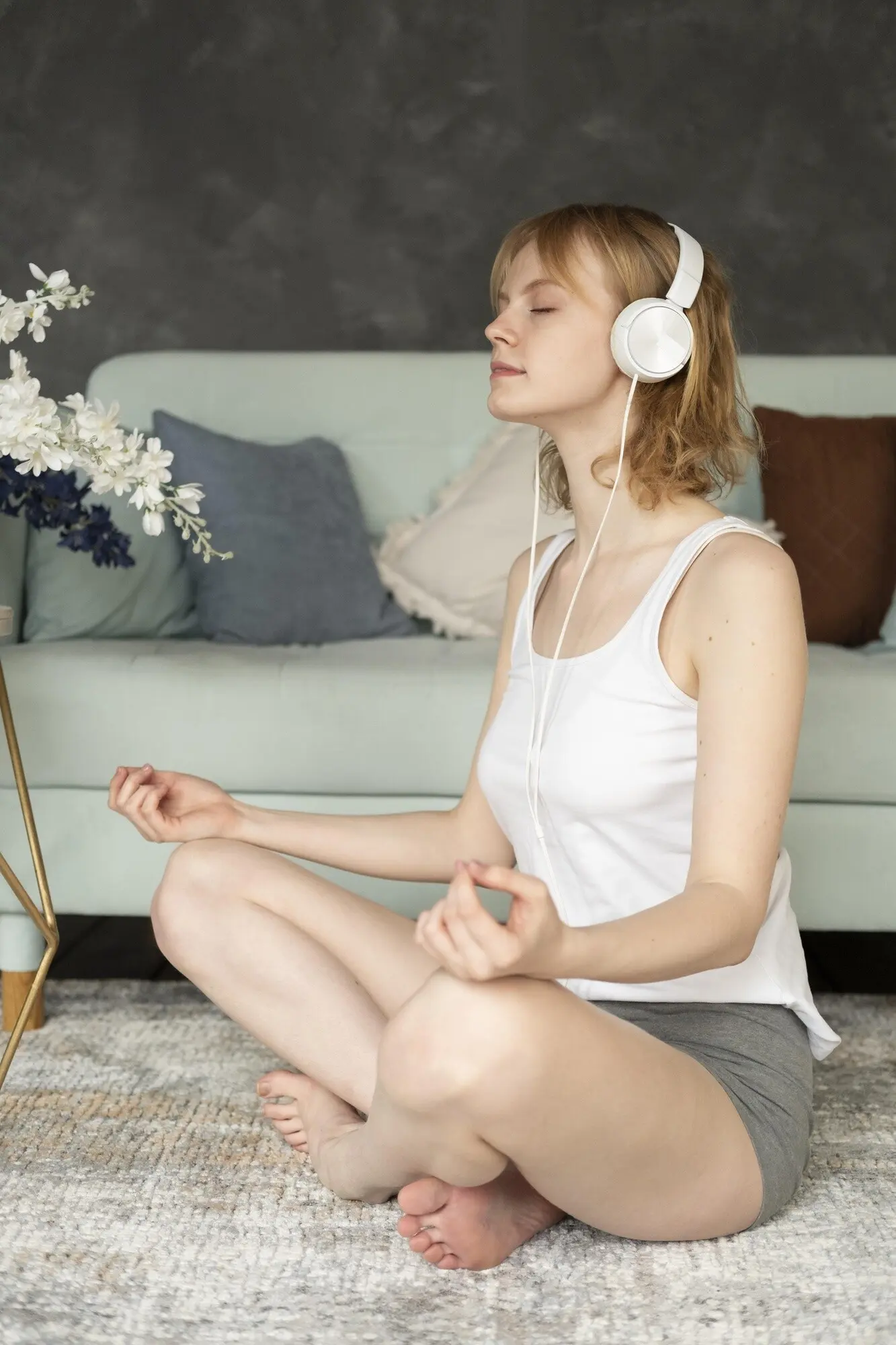
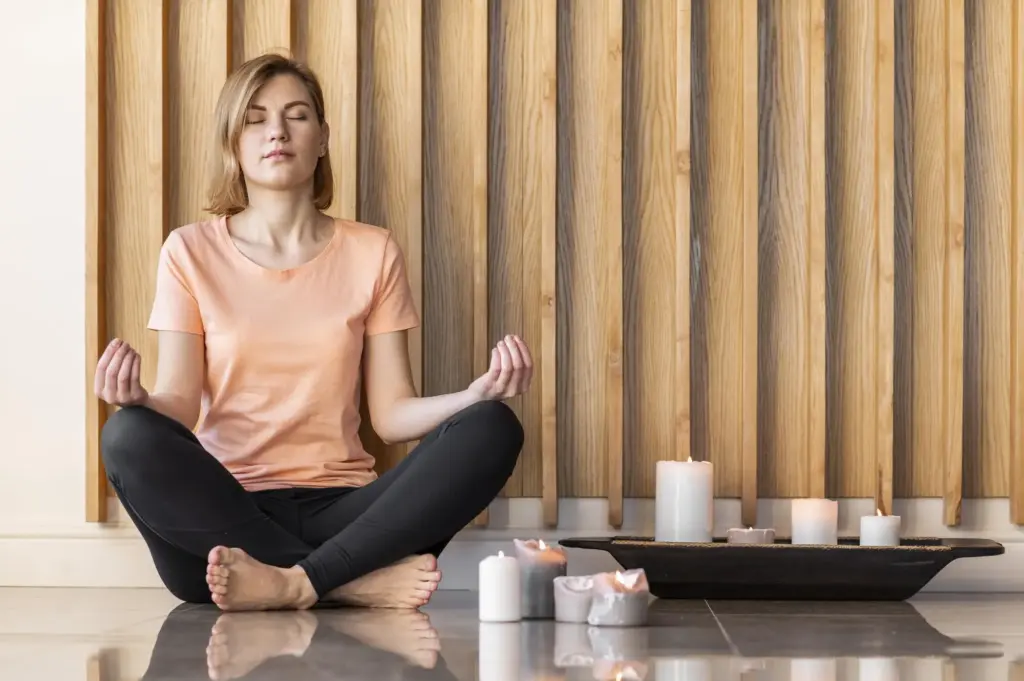
Today we explore Two-Minute Calm Rituals for Everyday Life, the tiny resets that fit between notifications and conversations. Expect science-backed breathing, gentle movement, sensory anchors, and quick reflections that steady your mood fast. Share which practice lands for you, and return anytime for an easy, proven pause.

Breathe Small, Change Everything

Your nervous system listens to your breath like a trusted friend, adjusting heart rate, attention, and muscle tone within a few exhales. In two minutes, rhythmic patterns can lower stress hormones, sharpen focus, and return patience. Try these practical approaches now, then tell us which cadence felt surprisingly natural today.
Use a quick double inhale through the nose, the second shorter to top off the lungs, then release a long, gentle exhale through the mouth. Repeat three to five times. This reduces CO2 efficiently, eases tension, and restores clarity before calls, emails, or difficult conversations.
Trace the edges of your phone or notebook with your eyes: inhale for four as you rise, hold for four across, exhale for four descending, hold for four along the base. Two calm circuits take under two minutes and leave attention crisp, grounded, and ready.
Exhale slightly longer than you inhale, perhaps four in and six out, letting shoulders drop on every release. Set a timer for two minutes and notice jaw, brow, and abdomen loosen. Pair this with opening a door or refilling water to cement the cue.

Micro-Meditations Between Moments

Shoulder Cascade at the Sink

Place palms on the counter, breathe in, and shrug gently toward ears. Exhale slowly while letting shoulder blades slide down and apart. Repeat ten times. Tingling warmth signals relaxation. Many readers report dish-duty turning into relief, with patience returning before bedtime routines begin.

Foot-Ground Conversation

Stand barefoot or in socks, roll slowly from heels to toes, then spread toes and press corners of each foot down. Imagine the floor answering back. Balance steadies as calves awaken, and your neck often unwinds as the body trusts support already beneath you.

Anchor Calm With Your Senses

Tangible cues cut through mental noise faster than pep talks. Temperature, scent, taste, and texture speak directly to the nervous system, proving safety now. Use nearby objects rather than special gear. Two minutes of deliberate sensing can dissolve spirals and restart your day with gentle momentum.

Cold Water Reset

Run cool water over your wrists or splash your face, breathing steadily as temperature shifts. This brief vagal nudge can interrupt anxiety surges, similar to stepping into shade. Dry slowly, noticing tingles. People often describe instant clarity, as if their thoughts lined up politely again.

Texture Treasure Hunt

Find three textures nearby: something smooth, something grainy, something springy. Hold each for a few breaths, describing details silently. Engaging fingertips sets attention anchors that weather intrusive thoughts. It becomes a pocket game during lines, elevators, or commutes, returning steadiness without fanfare or effort.


Savor the Smallest Sip

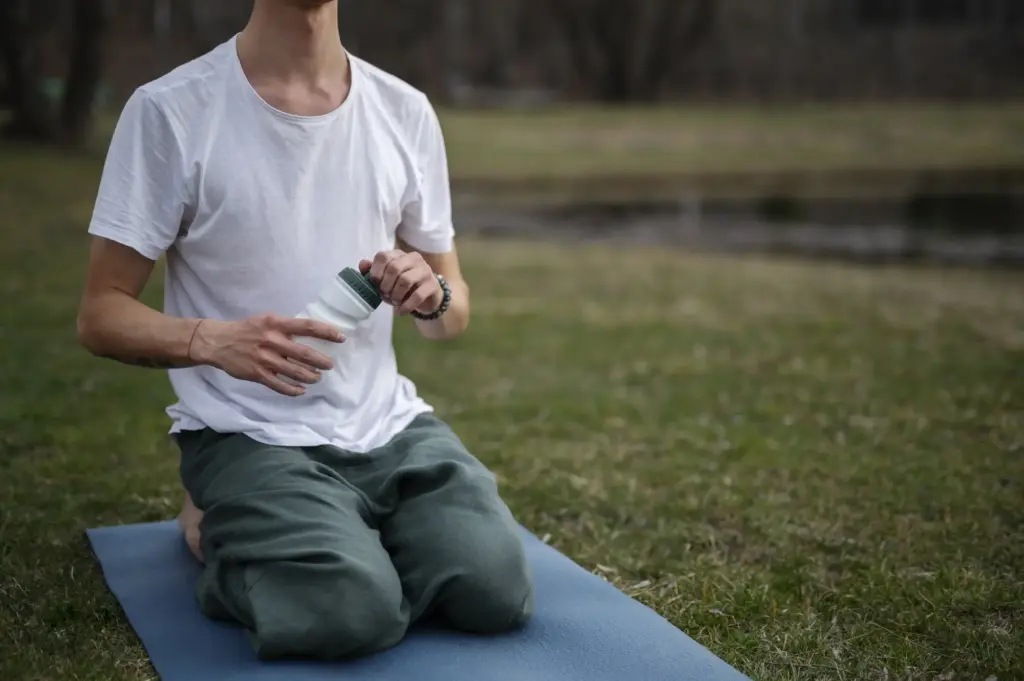
Pour a tiny glass of water or tea and drink as if tasting weather. Feel the cup, trace temperature, notice swallowing, then the pause after. Two mindful sips reclaim ownership of time, transforming obligation into choice and reconnecting you with the body’s quiet intelligence.

Two Minutes on Paper

Writing briefly organizes the mind like a desk tidy: thoughts stop shouting once given a place to sit. In only two minutes, pen and paper can close mental loops, reduce reactivity, and create intention. Try these playful prompts, and share your favorite in the comments.

Protect the Pause

Stress thrives in default settings, so design tiny guardrails that keep short resets from getting crowded out. Two-minute buffers around transitions reclaim agency and civility at work and home. Experiment this week, report back, and help our community collect the most practical, empathy-forward ideas.